Quality flakes and pellets are a good foundation for an aquarium diet, but many fish keepers like to add fresh, homemade food now and then for variety. These two natural fish food recipes turn a few simple ingredients into a soft gel that you freeze into small portions: one veggie-based, one protein-rich. Each makes about 20 portions and takes roughly 15 to 20 minutes of hands-on time, plus a few hours for the gel to set.
One note before you start: homemade food is a supplement, not a replacement for a complete staple diet, and the right recipe depends on what your fish naturally eat. The safety and feeding notes below will help you get it right.
What Is Natural Fish Food?
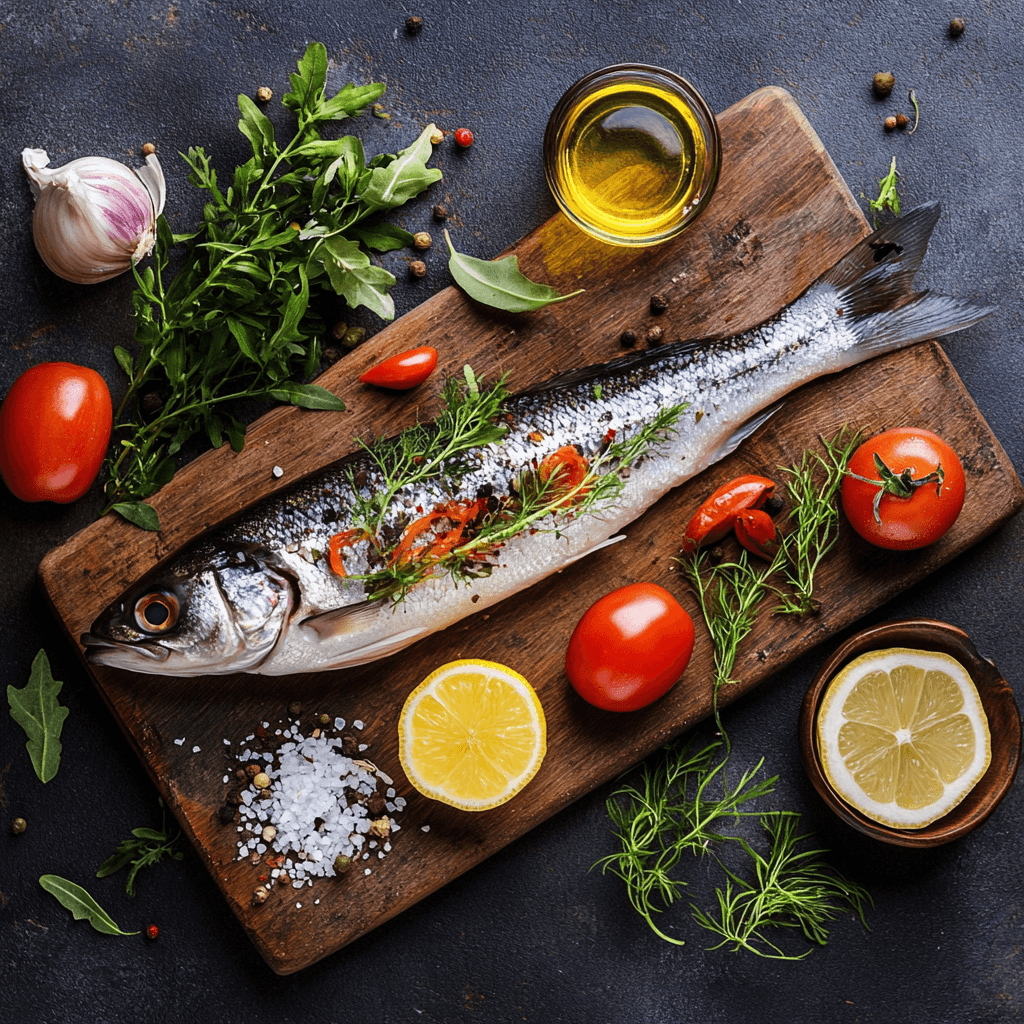
In this recipe, “natural” fish food means food you make yourself from fresh whole ingredients, like vegetables and plain cooked seafood, instead of a processed product. The ingredients are blended with unflavored gelatin, which sets into a firm gel that holds together in the water rather than clouding the tank.
In the wild, many fish eat a mix of plants, algae, insects, and small animals. Fresh foods add variety that a single dry food cannot, which is why many fish keepers use them as a regular treat.
Before You Start: Safety Notes
- Match the recipe to your fish. Plant-eaters such as plecos and mollies do best with the veggie version. Meat-eaters such as bettas and many cichlids do better with the protein version. Omnivores such as goldfish, guppies, and tetras can have both.
- Keep everything plain. Do not add salt, butter, oil, garlic powder, or seasoning, and use shrimp or fish with no additives.
- Treat it as a supplement. Homemade food adds variety, but it should be paired with a good staple diet such as quality flakes or pellets.
- Feed small amounts. Uneaten fresh food breaks down quickly and can raise ammonia levels in the tank.
- Know your species. This is general information. If your fish look unwell, ask an aquatic veterinarian or an experienced local fish store.
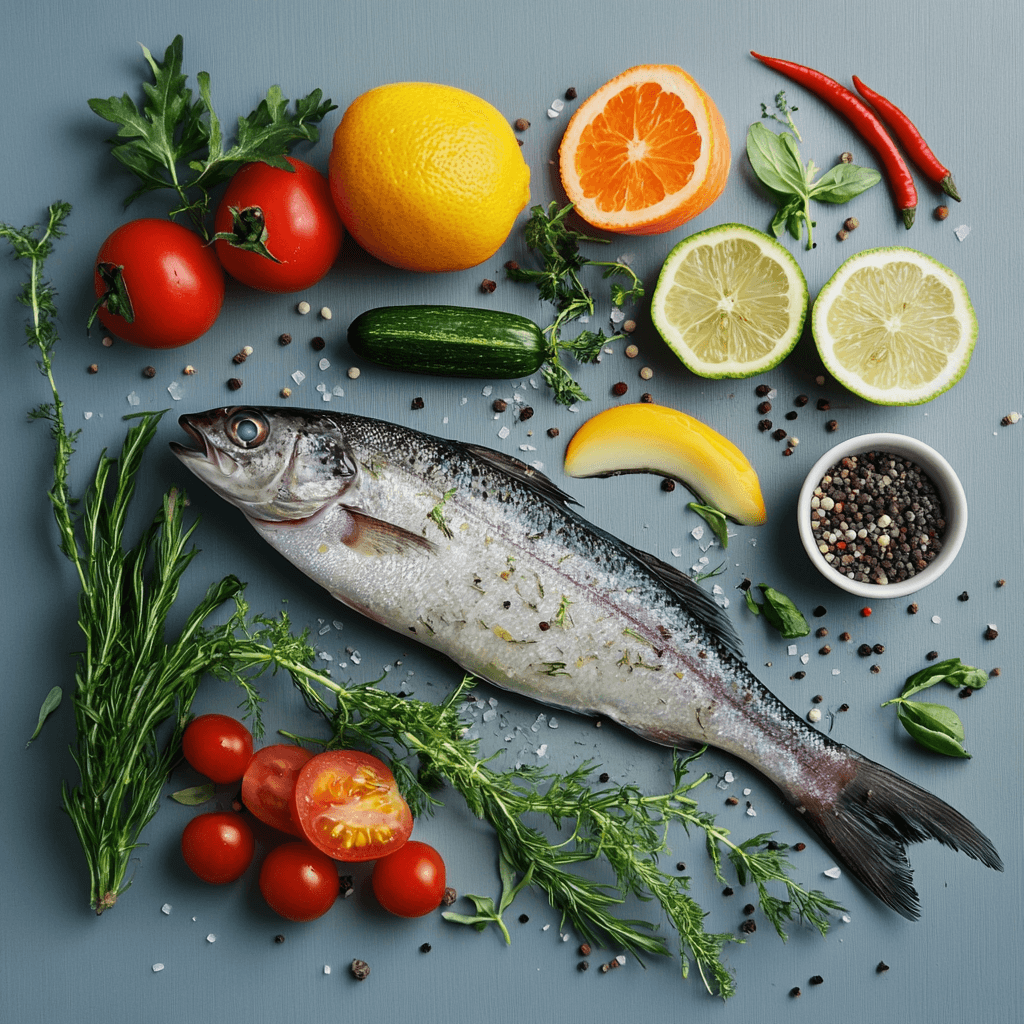
How to Make Natural Fish Food
Ingredients
Each recipe makes roughly 20 small portions, with about 15 to 20 minutes of hands-on time plus 2 to 3 hours for the gel to set. All you need is a blender, an ice cube tray, and a pot for blanching and cooking.
Recipe 1: Veggie-Packed
- 1 cup fresh spinach
- ½ cup peas (fresh or frozen and thawed)
- ¼ cup chopped zucchini
- ¼ cup plain cooked shrimp or fish fillets (optional; skip for strict herbivores)
- 1 tablespoon unflavored gelatin
- 2 tablespoons warm water
Recipe 2: Protein-Rich (the recipe card does not list amounts for this one, so here is a suggested starting point)
- ½ cup plain cooked shrimp or fish fillets
- ¼ cup peas
- ¼ cup steamed carrots
- ½ teaspoon spirulina powder (optional)
- 1 tablespoon unflavored gelatin and 2 tablespoons warm water
Use fresh, plain ingredients, and keep everything free of salt and seasoning.
Recipe 1: Veggie-Packed Fish Food
- Wash the spinach, peas, and zucchini. Blanch the spinach and zucchini in boiling water for about 1 minute, cool them in ice water, and drain well. Thaw the peas if they are frozen.
- Add the vegetables to a blender and blend until smooth, adding a spoonful of water if needed.
- Add the cooked shrimp or fish, if using, and blend again until fully combined.
- Sprinkle the gelatin over the warm water and let it sit for about 5 minutes, then warm it gently until fully dissolved. Stir it into the blended mixture right away so it does not set in clumps.
- Pour into an ice cube tray or small silicone molds and refrigerate for 2 to 3 hours, until firm.
Recipe 2: Protein-Rich Fish Food
- Cook the plain shrimp or fish fillets in boiling water until cooked through, then let them cool.
- Steam the carrots until soft.
- Add the cooked protein, peas, and carrots to a blender and blend until smooth.
- For extra color, blend in the spirulina powder.
- Bloom and dissolve the gelatin as in Recipe 1, stir it into the mixture quickly, and pour into trays.
- Refrigerate for 2 to 3 hours until firm, then cut or break into small portions.
How to Feed Natural Fish Food
Cut off a small piece of the gel, no bigger than your fish’s mouth can handle, and thaw it in a little tank water before feeding. Then follow these simple rules:
- Portion: offer only what your fish can finish in 2 to 3 minutes.
- Frequency: use it as a supplement two or three times a week, and feed a complete staple food the rest of the time.
- Cleanup: remove uneaten food within about 30 minutes with a net or siphon. Fresh food breaks down faster than flakes.
- Watch the water: test ammonia when you start offering new foods, and keep up with your normal water changes.
Tips for Success
- Blend until very smooth. Big chunks are hard for small fish to eat. For tiny fish, strain the mixture or crush the thawed cube into smaller bits.
- Freeze it flat. Pour the mixture into a thin layer in a zip-top bag, freeze it, and snap off small pieces as you need them. It makes portioning easier than cubes.
- Add color-supporting ingredients. Many hobbyists use spirulina, carrots, and shrimp, which contain natural pigments, to support healthy coloration. The effect varies by species.
- Rotate ingredients. Variety gives a broader range of nutrients. Blanched romaine or cucumber can replace some of the zucchini.
- Introduce new foods gradually. Offer a small piece and watch whether your fish eat it readily.
Storage
- Refrigerator: keep the set gel in an airtight container for up to 2 days.
- Freezer: freeze cubes in an airtight bag or container for up to 2 months. Label it with the date.
- Thawing: thaw a cube in a small cup of tank water. Do not refreeze thawed food.
- Throw it out if it smells off, looks slimy, or has been left out.
Natural Fish Food Recipe Card

Best Natural Fish Food Recipes for Vibrant Fish
Course: UncategorizedCuisine: AmericanDifficulty: Easy20
servings10
minutes5
minutes300
kcalIngredients
1 cup spinach (fresh)
½ cup peas (fresh or frozen)
¼ cup zucchini (chopped)
¼ cup cooked shrimp or fish fillets
1 tablespoon gelatin (unflavored)
2 tablespoons warm water
Directions
- Recipe 1: Veggie-Packed Fish Food
Prepare the Ingredients: Start by washing the spinach, peas, and zucchini thoroughly.
Blend the Veggies: Add the spinach, peas, and zucchini to a blender. Blend until smooth.
Add Protein: Toss in the cooked shrimp or fish fillets and blend again until fully combined.
Bind the Mix: Dissolve the gelatin in warm water, then mix it into the blended mixture.
Set and Serve: Pour the mixture into ice cube trays and refrigerate for 2-3 hours until firm. Serve small portions as needed. - Recipe 2: Protein-Rich Fish Food
Cook the Protein: Boil the shrimp or fish fillets until fully cooked, then let them cool.
Blend Ingredients: Add the cooked shrimp or fish, peas, and carrots to a blender. Blend until smooth.
Add Spirulina: For extra color, mix in the spirulina powder and blend again.
Bind the Mix: Dissolve the gelatin in warm water, then mix it into the blended mixture.
Set and Serve: Pour the mixture into ice cube trays and refrigerate for 2-3 hours until firm. Serve small portions as needed.
Notes
- Use Fresh Ingredients: Always opt for fresh, high-quality produce and protein.
Portion Control: Feed small amounts to avoid overfeeding and water contamination.
Experiment: Adjust the ingredients based on your fish’s preferences and dietary needs.
Natural Fish Food FAQs
Can I feed only homemade food?
It is better not to. Quality flakes or pellets are formulated to be nutritionally complete, while homemade food is great for variety. Use these recipes as a supplement a few times a week.
Should the shrimp or fish be raw or cooked?
Cooked and plain is the safer choice. Cooking reduces the risk of introducing bacteria or parasites into your tank. Skip anything seasoned, salted, or cooked with oil or butter.
Why is my tank water cloudy after feeding?
Usually it means too much food went in or the cube crumbled. Feed smaller portions, make sure the gel is fully set, and remove any leftovers promptly.
Can I use something other than gelatin?
Some fish keepers use agar-agar, a plant-based gelling agent, in the same role. Follow the package directions for the amount, since it sets differently from gelatin.
Is it safe for baby fish (fry)?
Only in very small, finely crushed amounts. Many fry do better with specialized foods made for them, so check what your species needs.
Is it right for every kind of fish?
No. Diets vary a lot between species, so match the recipe to your fish. If a fish stops eating or looks unwell, talk to an aquatic veterinarian or an experienced local fish store.
Final Thoughts
Homemade gel food can make mealtime more interesting for your fish and lets you control exactly what goes into your tank. Keep the ingredients plain, match the recipe to your species, feed small portions, and always pair it with a good staple diet.
Tried It? Tell Me How It Went
If you try these recipes, leave a comment and tell me which fish you keep and which version they liked best. Your notes help other fish keepers choose.